Best Practices for Channel Partner Training Programs in Tech Industry

A channel partner in tech just signed the dotted line, fully charged to promote your product. Fast forward a few weeks, and that energy starts to fade. Training emails pile up unread. Sales teams hesitate mid-pitch, unsure of the details.
What started as enthusiasm turns into second-guessing, and soon both sides are wondering if this partnership will work out. This isn’t a rare scene—it’s a recurring headache for tech vendors who haven’t built training that truly works for partners. The challenge isn’t just what’s being taught, but the way partners learn, how it fits their business, and whether it actually leads to results. In 2026, the tech companies outperforming the rest handle partner enablement as an ongoing, strategic effort that’s closely tied to real business priorities.
Connect Training to What Partners Want to Achieve
Generic training modules with no clear benefit are a thing of the past. The most effective channel programs now start by asking partners about their business goals: What revenue do they want to hit? Which customers matter most? What growth do they need this year? These conversations set the stage for training that’s actually useful.
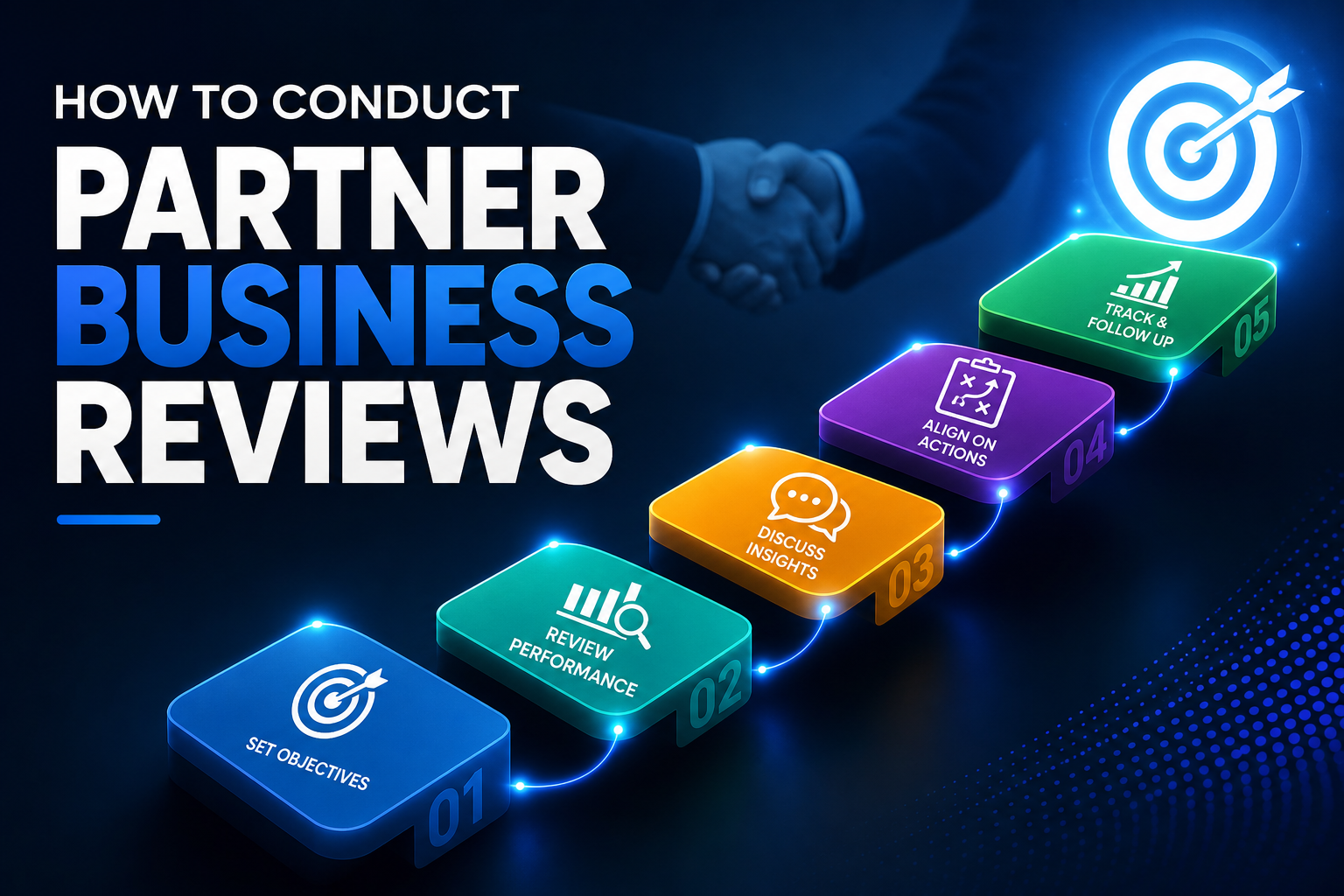
Instead of guessing, teams and partners now collaborate to identify key business objectives—such as increasing sales of a specific product in a target sector or reducing support calls for a newly launched module. Every part of the training then points back to those goals. The focus isn’t on marking a module as complete—it’s on giving partners the know-how and tools to hit the numbers that matter.
A practical way to do this is to align partner training with specific business objectives and ensure training content clearly connects learning outcomes to those objectives. Progress becomes visible for everyone.
Mix Up Training Formats for Better Results
People learn differently, especially across a wide partner network. That’s why leading channel programs offer a mix: self-paced online lessons, live training with instructors, webinars, and hands-on practice. This variety makes it easier for partners to learn and tougher for them to tune out.
Picture a sales rep who watches a short video series about a new solution, joins a live Q&A to hear from other partners, then runs through a sales role-play. Blending these formats helps partners remember what matters and gives them more chances to practice.
Most programs now break lessons into small pieces, so partners can squeeze learning into busy schedules. When people can pause, revisit, and finish on their own time, training gets done. Listening to partner feedback helps, too—if they say role-playing works or they want more quick quizzes, it’s easy to switch up the approach.
Use Tech to Make Access and Tracking Easy

Today, a solid tech foundation is a must for partner training. Learning Management Systems (LMS) or partner portals are now standard tools to deliver, automate, and track progress. These platforms do more than just store files—they personalize training for each partner.
With a modern LMS, partners see learning paths that match their role, suggested modules, and the exact resources they need in one place. Progress is updated automatically, so you can quickly see who’s on track or who needs a check-in. Certifications, reminders, and new content updates are also automated, so nobody gets left behind.
Training platforms enable tracking of engagement and completion rates, allowing identification of areas where partners may struggle and where content improvements are needed. This kind of data-driven adjustment keeps training relevant and partners moving forward.
Focus on Bite-Sized Content and Real Incentives
Partners are pressed for time. Hour-long webinars and bulky manuals just add to their workload. The best channel programs now cut training down to the essentials: short videos, quick quizzes, and microlearning that delivers one practical idea at a time.
Microlearning lets partners find exactly what they need, right when they need it. For example, a new sales rep can watch a three-minute video on handling a common objection, then take a quick quiz to cement the idea. This saves time and fits into their day-to-day routine.
Incentives make a real difference. Some programs use digital badges, public shout-outs, or move partners up the program tier for finishing on time. Others reward with access to co-marketing, new sales tips, or simple recognition emails. Even a leaderboard can spark some friendly competition and keep engagement high.
Keep Support and Updates Always Available
Support shouldn’t disappear after onboarding. As products change and deals get more complex, partners need access to expert help and fresh training. The most respected tech programs offer regular updates, advanced workshops, and open channels for questions—before, during, and after formal training ends.
Support creates confidence. A dedicated Slack channel or helpdesk means partners can get answers right away, without waiting for a formal session. Scheduled Q&As, drop-in office hours, or periodic refreshers help partners keep pace as your solution changes.
Continuous learning matters, too. Any time there’s an update or a new feature, training needs to reflect that. Partners who know they can always ask for help and stay up to date are more likely to sell, renew, and stay loyal.
Make Certification Rigorous and Valuable
Certifications in channel programs carry real weight when they tie directly to benefits. The most effective programs connect certifications to higher discounts, priority funding, or premium support.
Set clear, fair requirements for certifications. Let partners know exactly what to study, how much time prep usually takes, and what passing gets them. When someone earns a certification, give them a digital badge they can display on profiles or use in pitches. That recognition isn’t just for show—it’s an asset for their business.
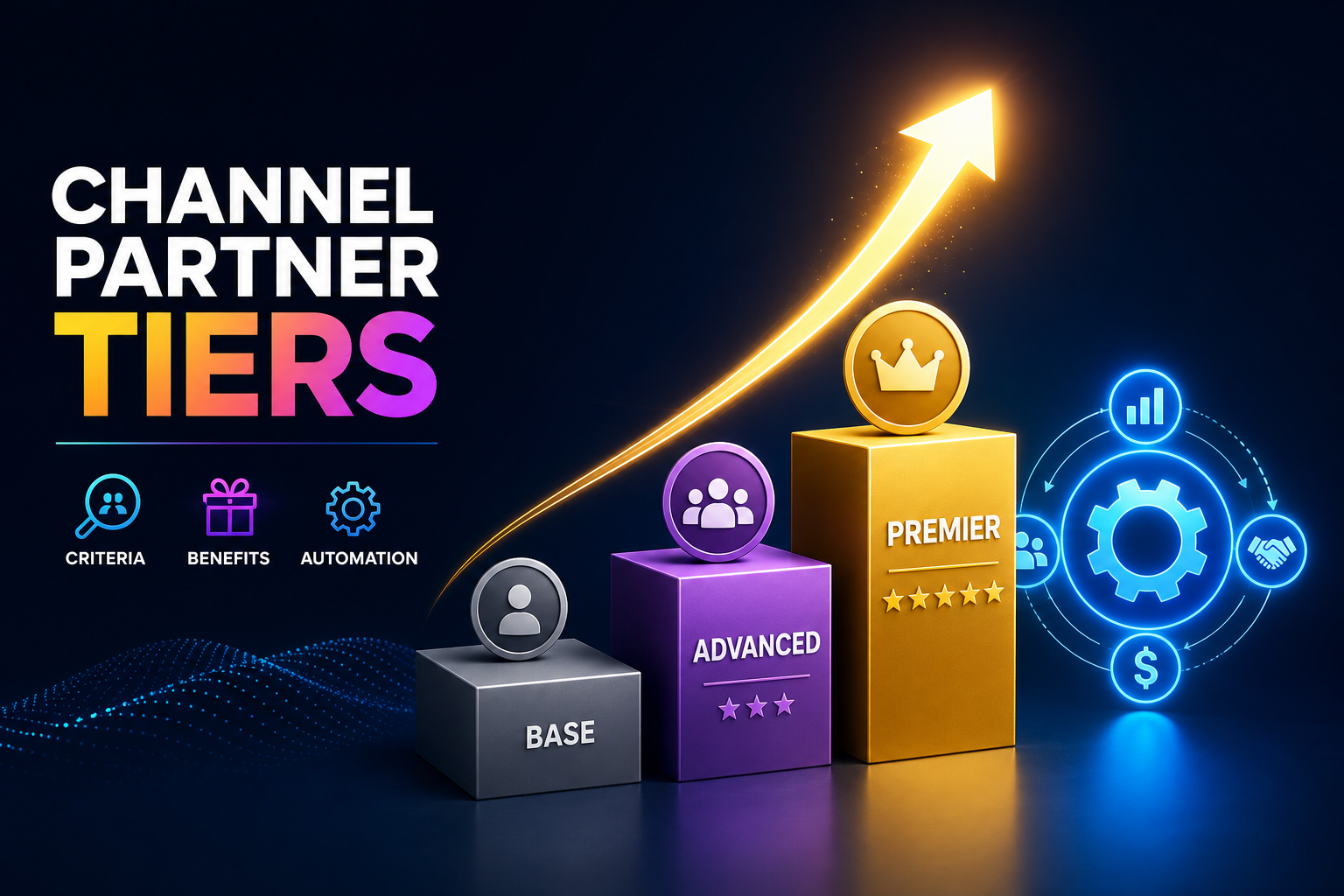
If possible, link certifications to higher partner status or unique perks. When partners know a new credential unlocks real rewards—like special tools or leads—they’ll invest more in learning and stay motivated to recertify as your products evolve.
Personalize Learning Paths by Partner Type
Channel partner networks are rarely uniform. A global distributor, a boutique reseller, and a technical integrator each have different needs and strengths. Strong programs respect these differences and build unique training paths for each group.
Customize training programs for different partner segments by tailoring content to partner size, role (technical vs. sales), experience level, and target markets. For instance, technical staff may need in-depth troubleshooting, while sales leads benefit from customer stories and objection scripts. New partners often want more onboarding, and veterans are eager for advanced workshops.
Tailoring learning paths this way means partners feel the content is built for them. Engagement goes up when partners see real solutions to their daily challenges. Many LMS tools now automate these custom tracks, making it possible to scale even as your partner network grows.
Put Sales Skills and Real-World Tactics First
Theory is fine, but partners want tools that help them close real deals. The best programs fill their courses with sales playbooks, competitive battlecards, and practical demos.
Think through what your partners face: Can they explain the return on investment to skeptical buyers? Do they have talk tracks for the toughest objections? Are there walkthroughs for new features? Every lesson should tie to a situation they see in the field, with practical exercises that reinforce it.
Bring this to life by sharing customer success stories, building interactive scenarios, and providing ready-made collateral. When partners can use what they’ve learned right away, they’re more likely to close sales and come back for more training.
Make Training a Habit, Not a One-Off

Winning companies in 2026 treat partner training as an ongoing habit. Establish an ongoing training cadence that includes periodic product update modules, advanced workshops, and regular communication through dedicated support channels.
Don’t wait for partners to request help. Instead, push out new content, send reminders, and keep everyone aware of what’s new. Regular communications and automated alerts help keep partners informed about recertification and upcoming training opportunities.
This rhythm also relies on feedback. Regularly survey partners to find out what’s working and what could improve. Use this insight to fine-tune your training and keep it aligned with real needs. Over time, learning becomes part of the partnership itself—a routine that drives results rather than a chore to finish.
Practical Steps to Upgrade Your Channel Partner Training
If you’re setting up or improving a tech channel partner training program, here’s where to start: Work with partners to set two or three measurable business goals. Build your training to match those KPIs. Pick an LMS or portal that makes it easy to personalize and track learning. Break content into microlearning units and offer a mix of formats. Connect incentives and certifications to real advantages, and divide your partners for tailored learning.
Keep your content fresh with regular updates, offer support through several channels, and prioritize hands-on, sales-focused material. Track training completion, get feedback, and make changes fast when something’s not landing.
A standout training program isn’t a one-time launch—it’s a living system that grows with your partners and your products. Treat enablement as an ongoing journey, and you’ll see partners who are confident, invested, and consistently selling your solution in the market.

I’m Omar Khalil, and I’ve spent the past decade working within the MEA technology channel ecosystem, from distribution in Dubai to partner enablement across Africa. I write about practical strategies for vendors, distributors, and resellers navigating the unique challenges of selling technology solutions in the Middle East and Africa. My focus is on actionable intelligence drawn from real market experiences, not generic theory. When I’m not writing, I’m usually at a channel event somewhere between Riyadh and Read the full About the author page.