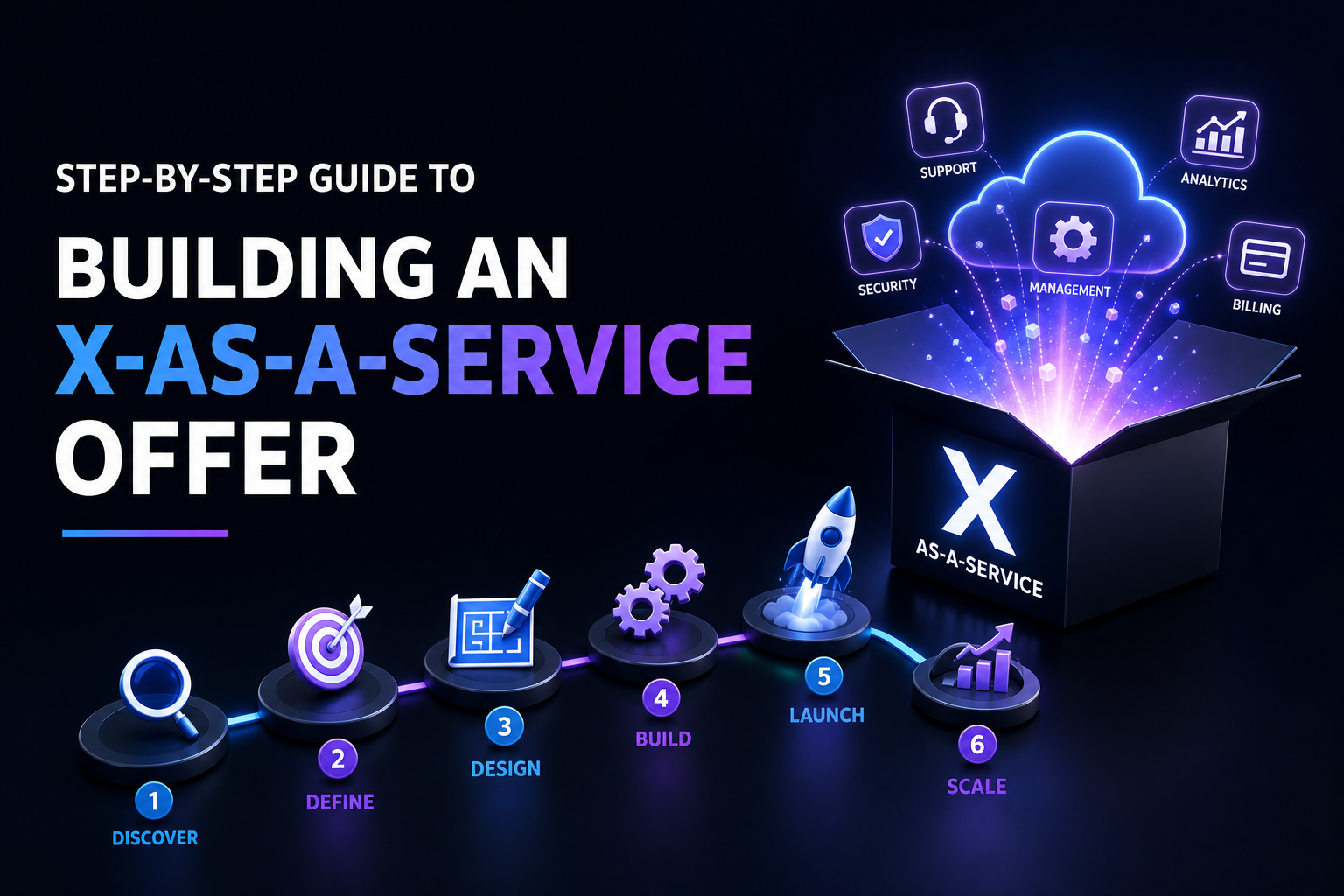
How to Build a Partner Compensation Plan for Subscriptions (2026 Guide)

Few things will derail your week as a SaaS channel leader faster than realizing a partner is still being paid for a subscription that churned out months ago, or that the costs of your incentive plan have quietly pushed your margins into the red. If you’ve ever gotten a late-night partner email demanding to know why their commission looks off, or sat through a call untangling why two partners landed very different payouts on similar deals, you know how messy this can get. A well-designed partner compensation plan subscriptions design isn’t just about keeping things calm—it’s what makes your channel predictable, fair, and actually scalable.
Today’s subscription partner compensation is more than just picking a percentage and hoping it works. The best plans are built from a mix of 6 to 8 core pieces, each chosen to nudge partners toward the outcomes your business cares most about. These pieces often include things like a base margin or reseller discount, deal registration bonuses to reward partners who bring in new opportunities, volume or growth rebates for increasing MRR, mix rebates to push specific SKUs, SPIFFs for closing priority deals, MDF or co-op funds for joint marketing, and special pricing options for competitive situations.
Most SaaS companies don’t use every ingredient at once. Mature channel programs typically pick 4 to 6 pieces that best fit their go-to-market style and customer journey. For instance, a vendor might offer a base margin, a deal registration incentive, a recurring growth rebate, and SPIFFs for top sellers—leaving out things like MDF or special pricing if those aren’t needed yet. The main idea is to drive partner action without making the plan so complex that partners get lost.
If you choose your plan elements wisely, you save yourself trouble later. A plan that covers both new business and retention, but avoids overlap that leads to double payouts, keeps everyone focused on growing subscriptions for the long term.
A Practical Sequence for Building Your Subscription Plan
Start by taking an honest inventory of everything you currently offer partners. List out each element—base discounts, one-off bonuses, recurring commissions—and tally up what your leading partners actually take home, after things like clawbacks, churn, or missed deal registrations. Often, this surfaces problems like paying too much for deals that never renew or not rewarding expansion enough.
Then, decide which partner behaviors you want to encourage. Is your top priority growing monthly recurring revenue, making sure deals are properly registered, or cutting churn? Every goal suggests a different mix of incentives. If retention and expansion are most important, recurring commissions and growth rebates should outweigh one-time SPIFFs.
With your goals pinned down, select 4 to 6 incentive types that line up with them. For each partner tier, do the math on what a strategic partner versus a smaller reseller would actually earn on typical deals, factoring in things like MRR, ACV, and deal size. If the numbers don’t make sense for your budget or for partner motivation, tweak the weights or caps now—before rollout.
Test your new plan by running it alongside the old one for a full quarter. Compare real-world results, look for edge cases, and make sure there’s no confusion. Announce all changes to partners at least 90 days ahead, and ideally 180 days, so they can adjust their pipeline and there are no payout surprises.
Assigning Tiers and Keeping Payouts in Check
Once you’ve chosen your plan’s building blocks, assign each partner to a clear tier. The standard setup is three levels: Tier 1 strategic partners who co-sell or manage large accounts, Tier 2 transactional partners focused on referrals or smaller resell deals, and Tier 3 affiliates who bring in leads or participate in bonus pools. Each tier should get its own commission structure and eligibility rules.
To keep your program sustainable, set a firm cap on total compensation. Many SaaS teams stick to a range of 12–18% of total pipeline value as their ceiling. So if your partner-driven pipeline is $10 million, your maximum annual channel payout would be between $1.2 and $1.8 million. Some programs also set a hard annual payout limit per partner, usually around 40% of what that partner brings in, so one partner can’t dominate your budget.
Spell out deal registration rules, like requiring partners to register opportunities at least 30 days ahead of closing. Unregistered deals can be excluded from commissions, which helps avoid disputes and ensures rewards go to truly partner-driven business. Capture all these rules in a partner agreement addendum so there’s no room for misunderstanding.
Talk with your finance team about how and when commissions accrue and pay out. This keeps cash flow predictable for your business and gives partners a clear timeline for their earnings.
Structuring Subscription Commissions and Payouts

Commission formulas should fit each type of partner activity and be directly tied to real subscription dollars. For referrals, the structure typically involves a one-time payment based on first-year annual contract value (ACV), but it's essential to confirm the exact percentage or dollar figure with your own benchmarks or industry sources, since there is no universal standard. For resellers, a recurring share of monthly recurring revenue is standard, paid as long as the customer’s subscription stays active. Services partners might get 40% of their payout at go-live and the other 60% after hitting a satisfaction milestone.
Every commission trigger needs to map to a specific event in your CRM—like “Closed Won,” demo completion, or payment received. This cuts down on errors and disputes, and lets partners know exactly when they’ll be paid. For example, a partner can see in their portal that a commission becomes payable only after an invoice is paid, not just when a contract is signed.
Dealing with churn is essential. If a customer cancels before a payout milestone, partners should know in advance if their commission will be clawed back or simply not paid. Your policy on this has to be clear from the start, not introduced after the fact.
Paying partners on time is not optional. If you fall behind, trust unravels fast—especially when partners know the customer has already paid you.
How to Make Your Plan Transparent and Automated

Transparency sets apart programs partners trust from those they avoid. Publish the full commission plan and an FAQ right in your partner portal. Spell out eligibility for every motion and tier, so partners aren’t left guessing what qualifies.
Automate as much as possible. Use dashboards in your PRM or CRM tools to show partners their MRR contributions, upcoming payouts, and commission history. This ends the endless spreadsheet exchanges and reduces “where’s my money?” tickets. Real-time widgets showing expected commission by subscription give partners instant clarity.
Tie your commission formulas directly to CRM fields—ACV, term, SKU, partner type, deal source, and collected revenue—so every payout follows the same logic, every time. If possible, allow partners to download standard commission statements right from the portal.
Onboarding matters, especially for new partners. Walk them through how commissions work, when payouts happen, and how to use dashboards, so they can focus on selling instead of chasing down payout details.
Keeping Your Plan in Tune as You Grow
No partner compensation plan works forever without updates. As your SaaS business grows, customer patterns shift, and partners adapt, you’ll need to revisit your plan to keep incentives effective. Schedule a full plan review every year, and set quarterly windows for tweaks if you spot issues.
Pay attention to the numbers that matter—MRR growth, renewal rates, deal registration accuracy—and measure them against the behaviors your plan is supposed to incentivize. If you see partners finding loopholes or discounts eating into your margins, adjust your incentives or add new controls.
Listen when partners give feedback. They’ll often see friction or gaps before your team does, and their input can help you keep the plan fair and functional.
Above all, keep it straightforward and visible. One clear commission structure per partner activity, published rules, and simple education go a long way toward building a channel that sticks with you as your subscriptions grow.

I’m Omar Khalil, and I’ve spent the past decade working within the MEA technology channel ecosystem, from distribution in Dubai to partner enablement across Africa. I write about practical strategies for vendors, distributors, and resellers navigating the unique challenges of selling technology solutions in the Middle East and Africa. My focus is on actionable intelligence drawn from real market experiences, not generic theory. When I’m not writing, I’m usually at a channel event somewhere between Riyadh and Read the full About the author page.


![How to Choose the Right SaaS Subscription Model for Channel Partners [2026 Guide]](https://techchannelmea.com/wp-content/uploads/2026/07/how-to-choose-the-right-saas-subscription-model-for-channel-partners-2026-guide.png)
![How to Choose Metrics for a SaaS Subscription Dashboard [2026 Guide]](https://techchannelmea.com/wp-content/uploads/2026/07/how-to-choose-metrics-for-a-saas-subscription-dashboard-2026-guide.png)