5 SaaS Partner Renewal Mistakes to Avoid (and How to Fix Them)

You think you’ve built a solid SaaS partner program. The contracts are signed, the first deals have landed, and everyone’s optimistic about what comes next. But when renewal season hits a year later, the mood changes. Suddenly, you’re fielding questions about price jumps, vague terms, and partners who haven’t engaged for months. The initial excitement gives way to uneasy silence as you realize some partnerships are slipping away just when you expected them to grow. It’s a common scene for SaaS teams, and these hidden problems are often what end up tanking valuable renewals.
Misaligned Expectations Quietly Sink Renewals
Most SaaS partnerships don’t end with a dramatic fallout. More often, they just fade because the two sides never truly synced on what “success” means. Brian Ambrosius calls this the top reason partner momentum stalls. One side expects hands-on support or a steady stream of exclusive leads, while the other assumes partners will be mostly self-sufficient. Your team might be waiting for new ARR, but the partner is focused on co-branding or getting into new markets. These gaps rarely show up until renewal, when both sides realize they’re not even measuring the same outcomes.
By the time you notice, the warning signs are clear: partners stop replying, meetings get awkward, and the relationship quietly slides down the priority list for everyone involved. The core problem is often that nobody inside your company is directly responsible for the partnership’s results. Sales, marketing, and leadership all have a piece, but no one is tracking the bigger picture until it’s too late.
Start every new partnership with an “expectations reset”—a shared document that spells out who does what, when, and how success will be judged for both parties. Don’t treat this as a one-time exercise. Pull it out and review it together at least once a quarter. Partnerships that keep expectations in sync this way are much more likely to survive renewal without surprises.
Enablement Can't Stop at Onboarding
After onboarding, it’s tempting to assume partners will run with what you’ve given them. In practice, most partnerships stall at this stage because enablement ends too soon. Without ongoing training, clear playbooks, and help with marketing, even the most enthusiastic partners can lose focus and fade out before renewal.
A common misstep is thinking a kickoff call or a single FAQ is enough. Partners need hands-on product demos, practice pitching the solution, and examples that make sense for their own audience. If they’re not sure how to position your product or who to reach out to for help, engagement drops off fast—especially for SaaS products with complex integrations or unique selling points.
I recommend creating a partner enablement checklist and sticking with it: onboarding training, clear technical and sales playbooks, co-branded marketing materials, and a dashboard for tracking wins. Schedule check-ins at 30, 60, and 90 days with tailored support and updates. Sharing actual results and customer stories helps keep motivation high and shows you’re serious about the partner’s success, not just your own numbers.
When enablement is a regular part of the relationship, renewal talks become about how to deepen the partnership, not whether it’s worth continuing.
The Set-It-and-Forget-It Pitfall in Partner Programs

If you look at your partner program’s results, you’ll usually see a sharp imbalance: a small handful of partners drive nearly all your revenue. That’s the classic 95/5 Pareto split. The rest are coasting or inactive, often because the program runs on autopilot. Bringing in every willing partner without proper vetting creates a long tail of accounts that never contribute much and sometimes create headaches, like fraudulent activity or off-brand messaging.
This hands-off approach does more harm than good. It clutters your data, makes it harder to spot top performers, and even risks annoying your best partners—those who are in high demand and can easily walk if they don’t see enough support or value.
Don’t settle for a one-size-fits-all approach. Break your partners into clear groups: content creators, integration specialists, niche influencers, and so on. Adjust your enablement and incentives for each segment. Review how you’re rewarding partners every few months to be sure payouts match what actually matters for your business, like ARR growth or renewal rates, not just signups. This not only boosts results across the board, it shows serious partners you’re paying attention long-term, not just at sign-up.
Contract Pitfalls: Auto-Renewals and Hidden Traps
The contract you signed last year might look routine, but it can hide surprises that cause big problems at renewal. Auto-renewal clauses are common in enterprise SaaS, yet if they’re vague or poorly written, they can box in both sides. Imagine a partner gets hit with a 15% price hike at renewal just because the contract allows “then-current pricing” with no upper limit.
That kind of surprise frustrates partners and leads to last-minute escalations. Even worse, some contracts have unclear notice periods, leaving partners stuck when they realize too late that they can’t exit or renegotiate. Liability caps are another area where companies get burned: the standard is to limit liability to fees paid in the past 12 months, but many agreements lack this, or, worse, have no cap at all, which exposes both sides to big risks.
Before renewal, go through your contract and check for these common tripwires:
Treat contract review as a checklist you work through carefully, not a box to tick. This way, you’ll spot issues in time to negotiate before renewal deadlines force your hand.
Skipping the Contract Review: Legal and Data Risks
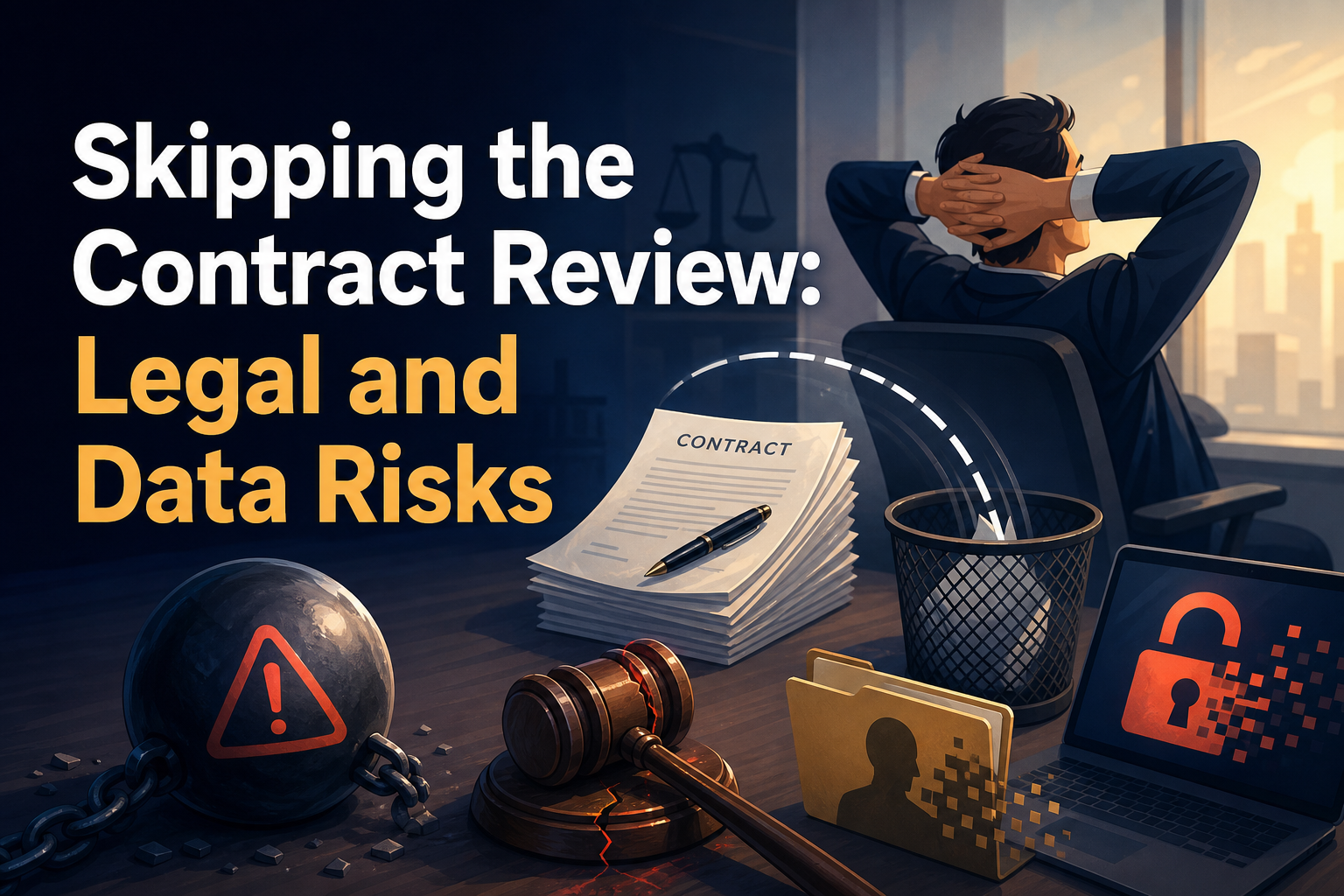
It’s easy to let contract review slide, especially if the last round of negotiations was a slog. But ignoring this step before renewal is one of the main reasons partnerships end up in legal trouble or churn unexpectedly. Contract terms change, sometimes without warning, and if no one checks, you could end up on the hook for unlimited risk or unable to access your own data when the deal ends.
Data ownership and retrieval terms are especially tricky. If the agreement doesn’t say how and when you can export your data—or what happens to partner data at the end—you risk losing valuable information or even getting locked out of your system. Service level agreements (SLAs) are another weak spot: “99.9% uptime” doesn’t mean much if there’s no clear remedy when things go wrong.
A practical habit is to schedule a contract check-up ahead of every major renewal. Have legal or procurement look for:
For more complex deals, ask your partner to review these items with you. Working together can clear up misunderstandings before they become roadblocks at renewal.
Making Renewals a Strategic Advantage
Renewals don’t have to be stressful or just another item to cross off your list. Managed well, they’re your best shot at strengthening partner relationships, improving program results, and tightening up your contracts. Treat renewals as a chance to step back and rethink—not just to roll things over.
Put regular reviews on the calendar—quarterly or at least every six months—to look at both your program structure and the details of your contracts. Use these sessions to group partners by type and tailor your support based on what really helps them grow. Invite partners to help set goals and define success, so they know you care about their outcomes.
During renewal, go back to pricing caps and auto-renewal terms. Push for clear, predictable pricing instead of open-ended increases. Review SLAs and data provisions carefully, and write down any changes. The best SaaS teams use these renewal talks as a reset button, so both sides walk out knowing exactly where they stand and what’s next.
If you spot these five mistakes early and make renewal part of your regular partner management routine, you’ll turn what used to be a nerve-wracking deadline into a real opportunity for growth.

I’m Omar Khalil, and I’ve spent the past decade working within the MEA technology channel ecosystem, from distribution in Dubai to partner enablement across Africa. I write about practical strategies for vendors, distributors, and resellers navigating the unique challenges of selling technology solutions in the Middle East and Africa. My focus is on actionable intelligence drawn from real market experiences, not generic theory. When I’m not writing, I’m usually at a channel event somewhere between Riyadh and Read the full About the author page.


![How to Choose the Right SaaS Subscription Model for Channel Partners [2026 Guide]](https://techchannelmea.com/wp-content/uploads/2026/07/how-to-choose-the-right-saas-subscription-model-for-channel-partners-2026-guide.png)
![How to Choose Metrics for a SaaS Subscription Dashboard [2026 Guide]](https://techchannelmea.com/wp-content/uploads/2026/07/how-to-choose-metrics-for-a-saas-subscription-dashboard-2026-guide.png)