5 Ways to Reduce False Positives in Your Security Monitoring System
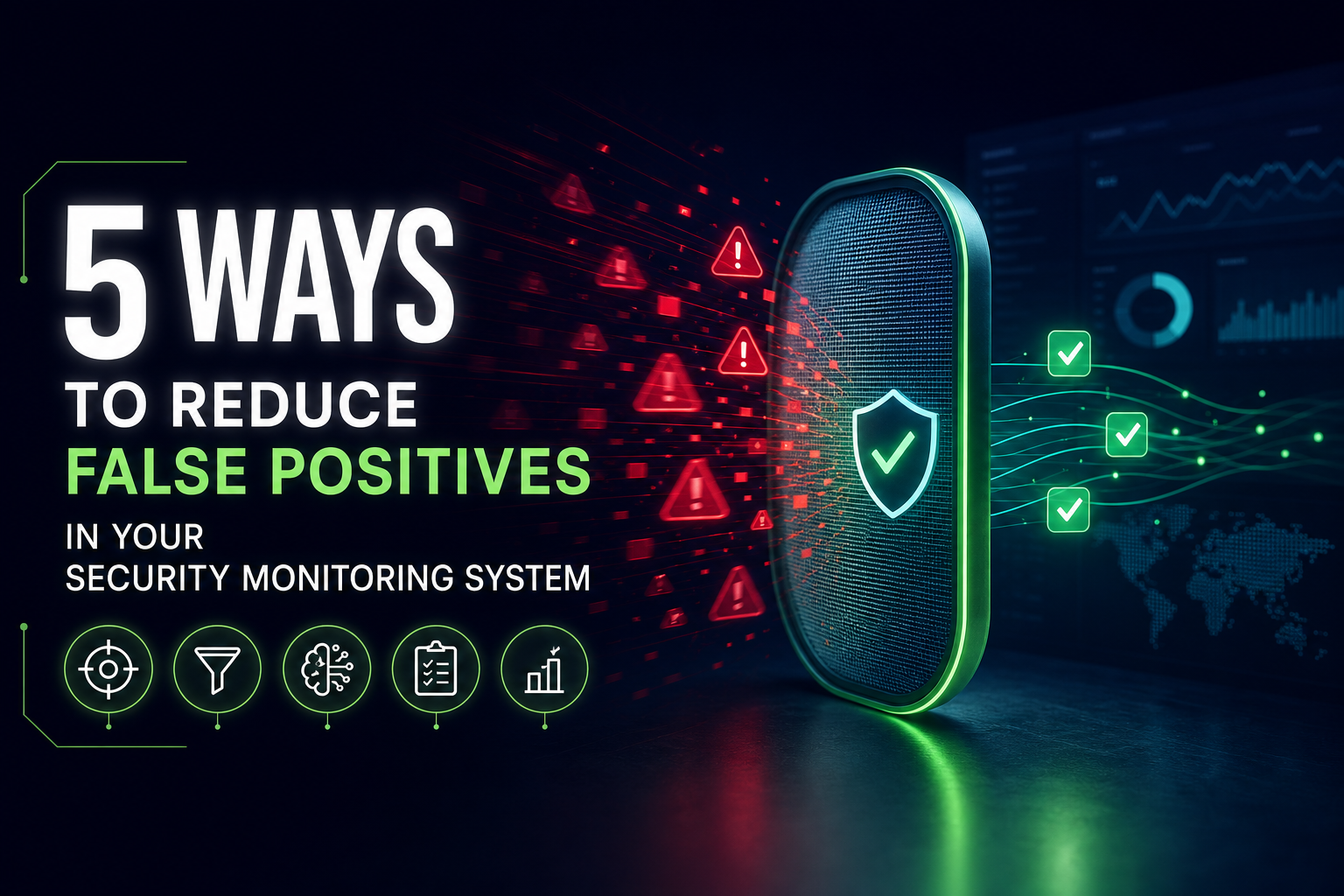
The endless ping of security alerts can leave even the most dedicated analyst feeling like they’re drowning. You start your shift ready to catch threats, but after hours spent wading through alerts that end up being nothing—misconfigured scanners, harmless admin scripts, the same printer acting up again—focus slips and real risks might get missed. It’s not just tiring; it’s dangerous. False positives don’t just waste time—they chip away at your team’s trust in your monitoring system.
So how do you move from firefighting to a workflow that actually helps you detect what matters? The answer isn’t a one-and-done fix. It’s an ongoing, hands-on approach that mirrors what top security teams do: observe, tune, measure, and adjust—again and again.
Start With Baseline Telemetry and Observation Mode
Jumping straight into tweaking detection rules without knowing what’s “normal” is like setting a home alarm system without ever checking who actually comes and goes. In a SOC, that means running your SIEM or XDR platform in observation mode for several weeks before making any big changes. The goal? Capture representative telemetry: logins, device activity, network flows, and everyday admin work—everything that makes up the real pulse of your environment.
By collecting this baseline data, you get a clear sense of what regular operations look like for your users, assets, and systems. This foundation is what lets you spot true anomalies later, instead of flagging routine backups or scheduled scans as threats. Only after you’ve built this behavioral baseline does it make sense to start tuning alert thresholds or enabling new detection rules.
It’s tempting to start tweaking right away, especially under pressure to “reduce false positives security monitoring mea” and show quick results. But skipping the observation phase is a shortcut that usually backfires, leading to rules that are either too noisy or, worse, miss genuine incidents.
Continuously Tune Detection Rules and Suppress Noise
Detection rules aren’t “set and forget.” The threats change, your network evolves, and what was noise last month might be signal next month. That’s why tuning rules is a process, not a project. A practical workflow used in many SOCs is to export your top 50 most frequently triggered alerts every month or quarter. Sit down with your team and go through each one: does this alert help us catch real threats, or is it just creating noise?
For rules that are consistently generating false positives—like flagging routine software updates as suspicious traffic—it’s time to suppress, disable, or refine them. Maybe a correlation rule needs an extra condition, or a signature needs to ignore a trusted server. And don’t forget to document every change in a change-control system, so you can roll back if something doesn’t work as expected.
Some teams use a “detection-as-code” approach: rules are stored in version control, tested against historical logs in a staging environment, and only promoted to production after passing these tests. This makes it safer to experiment with rule changes without accidentally creating new waves of false positives. Over time, this kind of workflow keeps your detection logic sharp and tuned to what actually matters in your environment.
Use High-Fidelity Data for Context-Rich Alerts

Not all data is created equal. Low-fidelity sources like NetFlow or basic firewall logs tell you that “something happened,” but they rarely tell you enough to judge whether it matters. When you want to reduce security monitoring false positives, prioritize high-fidelity telemetry—think Zeek network logs, which include application-layer details, or event logs enriched with user and asset context.
A practical example: instead of relying solely on firewall logs that say “port 443 traffic from host A to host B,” Zeek logs can show you the actual protocols, session metadata, and even which user initiated the connection. When an alert is triggered with this level of context, analysts can make faster, more accurate triage decisions. It’s much easier to see that a flagged connection was just a scheduled software update, not a rogue exfiltration attempt.
Enriching alerts with details like asset criticality or user role helps further. If a backup server is flagged for unusual activity but it’s running its scheduled job, that context lets you close the alert confidently. This approach doesn’t just reduce the volume of false positives—it cuts the investigation time for each alert, freeing up your analysts to focus on the real threats.
Build a Feedback Loop Between Analysts and Engineers
Even with the best detection rules and high-fidelity data, false positives will slip through. The difference between teams that get better over time and those that stagnate is whether false positives are learned from—or just closed and forgotten. That’s where a feedback loop comes in.
Set up a simple process: every time an analyst closes an alert as a false positive, they tag it in the ticketing system. Those alerts are automatically forwarded to the detection engineering team. Then, in a weekly review, engineers look for patterns—are certain rules generating a disproportionate number of false positives? Are the same assets or users involved repeatedly?
This feedback isn’t just for statistics; it drives action. Engineers can update rules, adjust thresholds, or add contextual conditions based on real evidence from the front lines. Over time, this cycle of reporting, reviewing, and updating leads to a steady drop in unnecessary alerts. It also builds trust—analysts know their feedback shapes the system, and engineers get real-world data to guide improvements.
Implement a Layered Detection Strategy
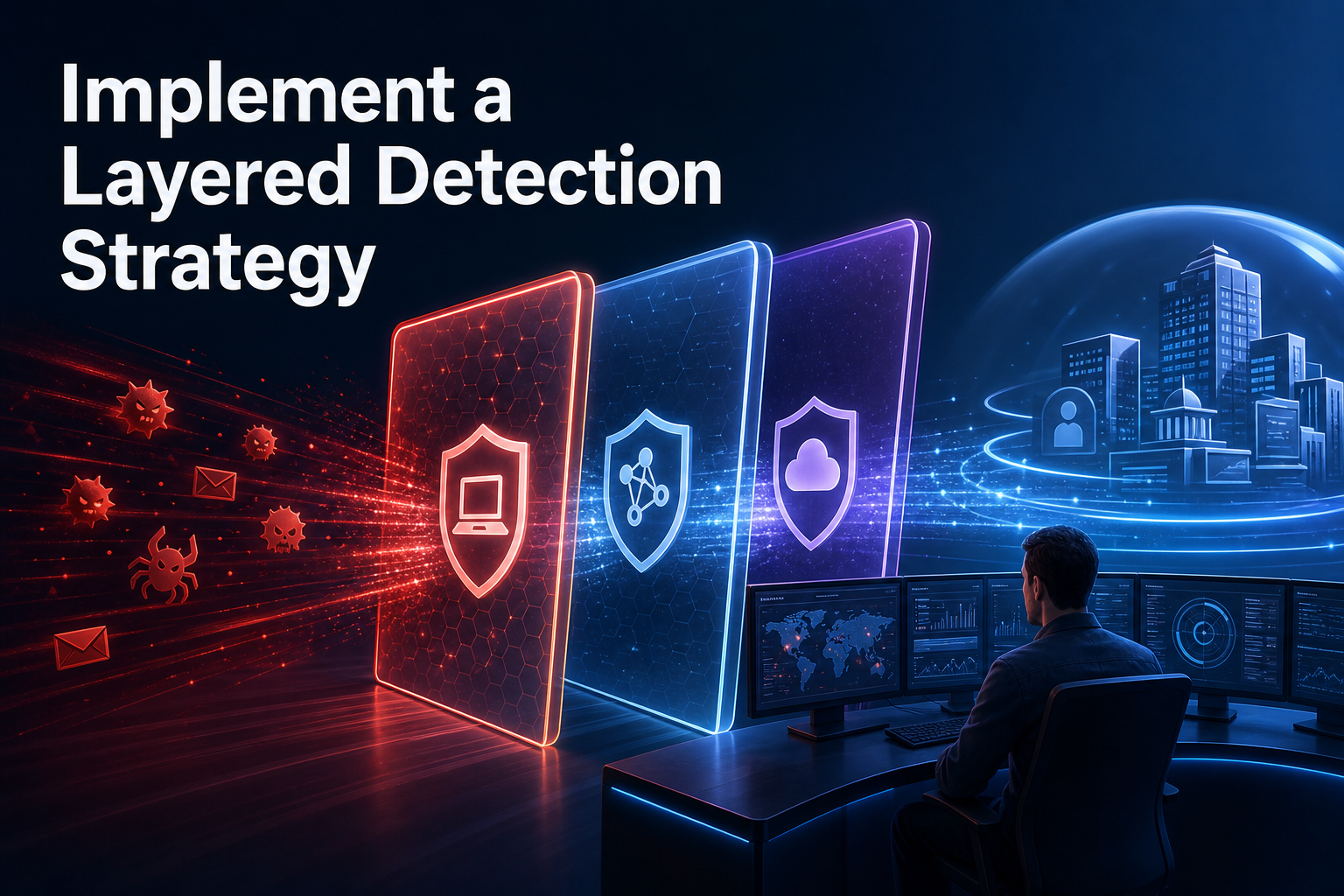
Putting all your eggs in one basket—relying on a single detection technology—almost always leads to disappointment. False positives pile up because there’s no cross-check, and you risk missing attacks that slip through one layer’s blind spots. A layered strategy means combining endpoint detection and response (EDR), network detection and response (NDR), and a SIEM that correlates signals from both.
For example, let’s say your NDR flags suspicious lateral movement. If your EDR and SIEM also see related unusual behavior—maybe a privilege escalation attempt on the same host—the confidence in this being a real incident goes up, and the likelihood of a false positive goes down. Only when multiple technologies agree does a high-priority alert get escalated.
This approach also helps filter noise. If an alert is triggered by one tool but not corroborated by others, it can be deprioritized or marked as informational. Some teams further refine their stack by disabling generic detection rules and focusing on use cases tied to specific threats relevant to their organization, such as ransomware lateral movement or credential stuffing attacks. This threat-focused tuning reduces background noise and ensures the alerts you see are the ones that matter most.
Turning Down the Noise for Good
Reducing false positives isn’t a sprint—it’s a continuous cycle of measurement, adjustment, and collaboration. The most effective teams treat improvement as an ongoing part of operations, not a one-time cleanup. They track metrics like alert volume, false positive rates, and mean time to close, using these as baselines to measure progress after each tuning round.
Keeping records of changes, alert patterns, and feedback from analysts doesn’t just make audits easier—it also provides a roadmap for future improvements. When the environment changes—a new business app is deployed, a subnet is decommissioned, or the user base grows—having this data makes it much easier to retune your monitoring system without starting from scratch.
Finally, don’t underestimate the impact of simplifying your network and monitoring configurations. Removing old, unused subnets from IDS coverage or decommissioning redundant firewalls can dramatically cut down on background noise. Less noise means less fatigue and more capacity to respond when a real threat appears.
With these hands-on strategies, your team can move from feeling overwhelmed by endless alerts to running a security monitoring system that actually helps you catch what matters. The cycle of observe, tune, measure, and adjust—built on real data and real teamwork—keeps you ahead of the noise, even as threats and technology keep evolving.

I’m Omar Khalil, and I’ve spent the past decade working within the MEA technology channel ecosystem, from distribution in Dubai to partner enablement across Africa. I write about practical strategies for vendors, distributors, and resellers navigating the unique challenges of selling technology solutions in the Middle East and Africa. My focus is on actionable intelligence drawn from real market experiences, not generic theory. When I’m not writing, I’m usually at a channel event somewhere between Riyadh and Read the full About the author page.