Signs Your Organization Needs Managed Security Services

It’s Monday morning. Your team is scanning network logs over coffee when someone spots suspicious activity that kicked off at 2 AM on Saturday. The full weight of the situation hits: an attacker had nearly two days to wander through your systems without anyone noticing. That sinking feeling isn’t rare.
Cyber threats don’t pause for weekends, but a lot of companies still act like their defenses can. This scene plays out more often than most admit—a wake-up call that old security routines just can’t keep up. Attackers work nonstop, and the gap between business hours and real risk keeps getting wider.
Security Incidents Often Go Undetected After Hours
There’s a hard truth in cybersecurity: attacks happen whenever it’s least convenient. Plenty of organizations still rely on monitoring that only runs during standard office hours, betting nothing serious will happen overnight or on weekends. But attackers have figured out these blind spots. Meriplex points out how a breach that starts at 2 AM Saturday can go unnoticed until Monday morning, giving intruders nearly 48 hours to poke around, steal data, or set traps.
This is not just a “what if.” Industry stories and news reports are full of breaches that started after hours, when the office was empty and IT staff were offline. The worst incidents often begin in these windows, giving attackers time to cover their tracks, boost privileges, or quietly deploy ransomware.
A simple test reveals the risk: does your team only look at alerts during the workday? If so, you’re not really monitoring—you’re hoping nothing happens while you’re offline. Continuous monitoring is now considered a baseline expectation for effective security. Even a handful of hours can turn a small issue into a disaster. If your coverage ends at 5 PM Friday, that’s a sign you need extra help.
That’s where managed security services come in. They monitor all day, every day, so alerts get checked and handled no matter when they pop up. This fills the weekend and overnight gap that attackers count on, turning what could be a crisis into something you catch in time.
Internal Teams Are Overworked and Understaffed
There’s another warning sign that’s hard to ignore: your IT or security staff are overwhelmed. Most companies expect their teams to keep up with day-to-day operations, ongoing projects, patching, user questions, and somehow handle every security alert on top of that. The truth is, very few have the bandwidth or expertise for all of it.
When teams are stretched thin, two things happen. First, they get buried in alerts—so many that it’s tough to tell which ones matter. This “alert fatigue” wears down even skilled analysts, making it easy to miss a real threat. Second, people start cutting corners: maintenance gets delayed, lunches skipped, and strategic improvements are put off just to keep up with tickets and emergencies.
If you see your team working late or weekends, falling behind on updates, or rushing through incidents, it’s a clear sign they’re at their limit. That’s not just tough on staff—it puts your business at risk.
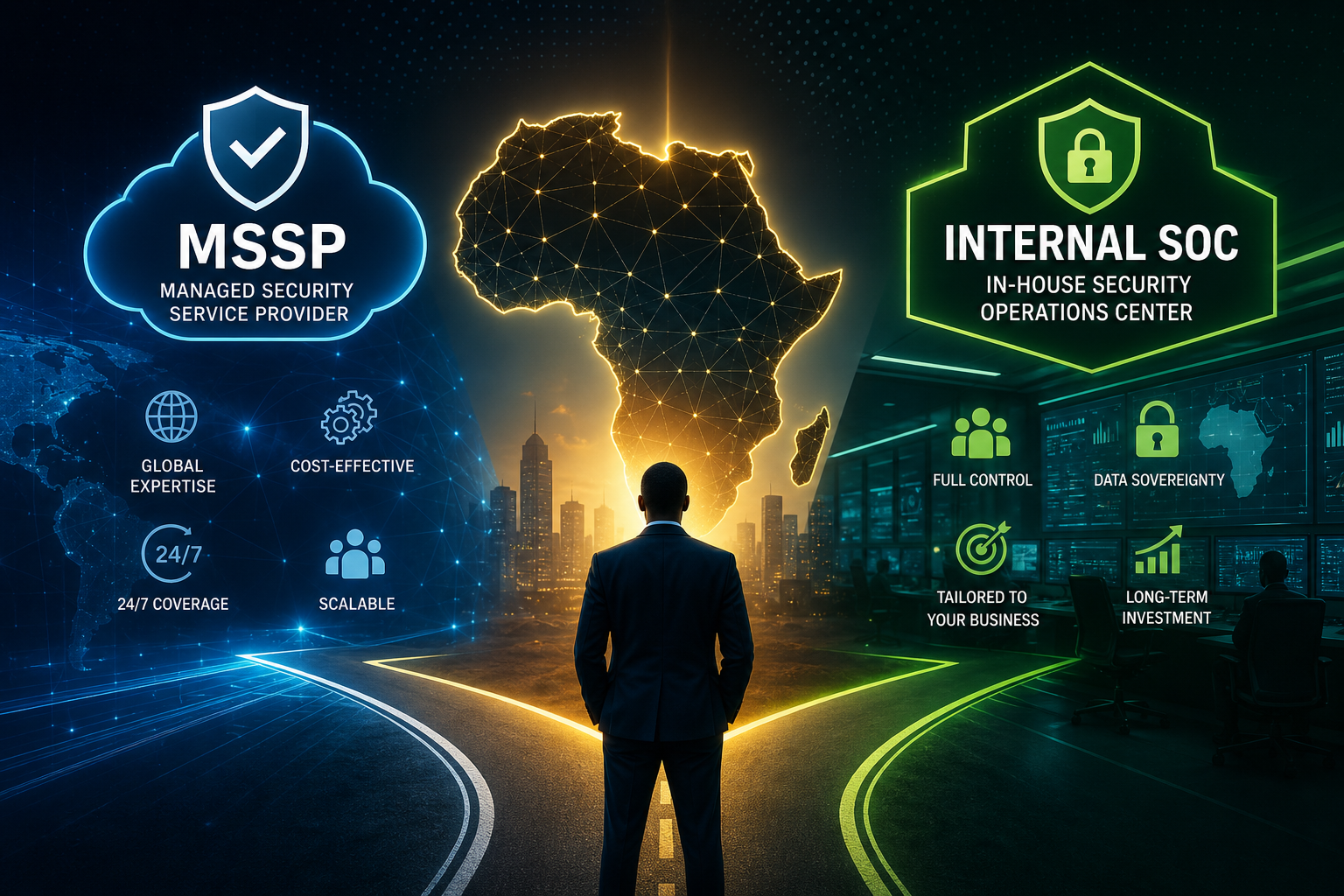
Managed security service providers (MSSPs) can help here. They bring in experienced analysts and use automated triage to sort out alerts, so your team doesn’t burn out. MSSPs take care of nonstop alert review, incident response, and monitoring, letting your own staff focus on bigger-picture improvements instead of fighting fires all day.
Sometimes a single missed threat triggers change. Other times, it’s a pattern—overwork, overtime, mistakes. Either way, when your team can’t keep up, it’s time for reinforcements.
Compliance and Insurance Requirements Are Outpacing Your Team

Regulations are changing fast, and insurers are raising the bar. These days, insurance companies and auditors want proof that you have certain security controls: Endpoint Detection and Response (EDR), Multi-Factor Authentication (MFA), Security Information and Event Management (SIEM), and regular vulnerability scans. These are commonly cited controls insurers may require for cyber insurance proof as of 2026.
If your team scrambles every time a questionnaire or audit comes in, you’re not alone. Many companies don’t realize they need outside help until they fail an audit or can’t answer a security checklist from a client. The pressure is real: regulatory and insurer demands keep growing, and being able to provide accurate, up-to-date documentation is essential.
Here’s a practical check: can you quickly show that EDR, MFA, SIEM, and vulnerability scanning are all in place and running? If every audit feels like a scavenger hunt, or you’re unsure if your answers will satisfy the auditor, you’re likely behind on compliance.
Managed security services can take this pain off your plate. Providers help maintain documentation and reports needed for audits, renewals, and client questions, moving you from scrambling at the last minute to being ready ahead of time, which helps avoid insurance or regulatory problems.
Patterns of Breaches or Audit Failures Signal Deeper Issues
Some signs can’t be brushed off. If your organization has repeated security incidents, failed several audits, or is regularly stuck on security questionnaires, it’s not just bad luck. These patterns point to bigger gaps in your defenses.
Often, a breach exposes deeper problems—maybe outdated policies, missed patches, or confusion about who’s supposed to respond. Sometimes these issues only show up when a partner, regulator, or insurer starts asking tough questions.
Over time, a cycle sets in: an incident happens, the team scrambles, audits get missed, and confidence in your security program drops. Many organizations finally turn to managed security services when they realize they’re stuck in this loop and internal fixes aren’t working.
An MSSP can help break this cycle. With their expertise, you get up-to-date controls, constant monitoring, and a reliable process for handling incidents and audits. Instead of repeating old mistakes, you start building a stable foundation for security and less stress for your team.
Security Tools and Processes Don’t Work Together
Even companies that spend a lot on security can run into trouble if their tools and processes don’t connect. Over time, many organizations end up with a jumble of separate systems—one for endpoints, another for email, another for logging. Each has a different dashboard, alert system, and its own quirks. The result is teams spend more hours switching screens and matching up alerts than actually stopping threats.
This patchwork leads to dangerous gaps. Alerts can slip through the cracks if there’s no unified way to manage them. Manual steps are slow, and attackers don’t wait around. It’s also easy to lose track of who’s responsible for what, especially if teams are spread across locations or roles are unclear.
Eventually, managing all these disconnected tools becomes too much, even for experienced staff. Missed alerts, slow responses, and confusion are common. The business loses track of what’s really happening, opening up gaps that attackers can use.
A managed security service can bring order to this mess. By connecting your tools, automating alert correlation, and providing a single point of contact, MSSPs help you regain control. Instead of constantly trying to piece together what’s going on, your team gets real-time insight and actionable info. That makes it way easier to spot patterns, prioritize risks, and strengthen your defenses.
Growth Brings New Security Risks
Growth is a good thing, but it can stretch your security setup to the breaking point. When companies grow quickly—through mergers, acquisitions, or entering new markets—their attack surface can expand faster than security can keep up. Every new location, system, or business unit adds complexity and new risks.
Meriplex notes that acquisitions especially often create a need for managed security. Merging two companies means dealing with different technologies, old devices, and mixed standards. Integrating all this—while staying compliant and avoiding downtime—can overwhelm a small or midsize IT team.
But it’s not just about tech. Growth means new people, processes, and expectations. Sometimes it’s unclear which systems are protected, or gaps pop up as you bring in new vendors and partners. Attackers look for weak points during these transitions.
If your IT team is always scrambling after each growth phase, or there’s a sense that things are slipping out of control, it’s time to look at managed security services. MSSPs are built to scale with your business, adapting as your environment changes so you don’t lose visibility or control.
When Firefighting Replaces Proactive Security
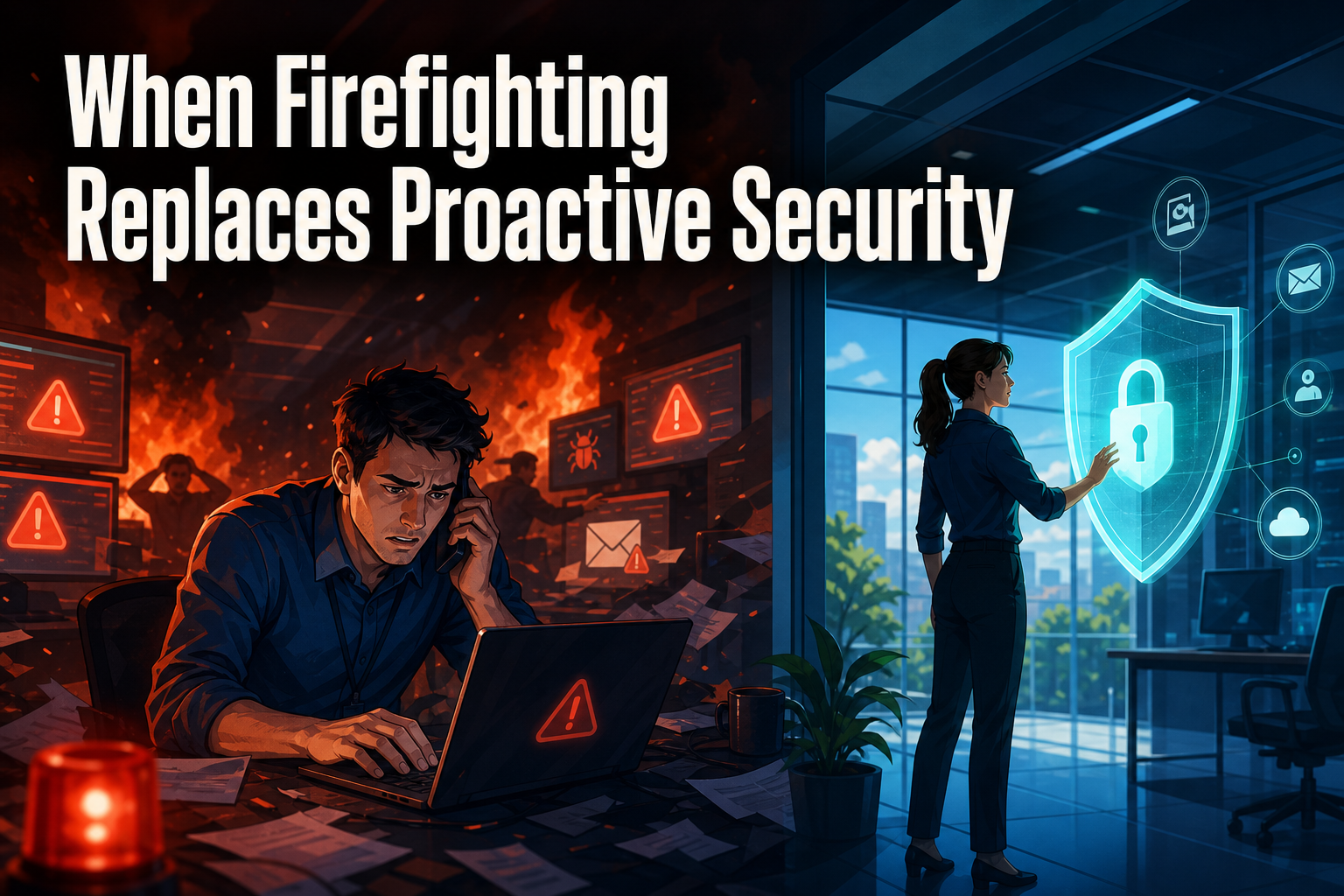
There’s a big difference between reacting to incidents and actually building a stronger security posture. In many companies, the security team gets stuck in reaction mode—constantly putting out fires. Every week brings a new high-priority issue: a phishing attempt, malware alert, or suspicious login. The team moves from one crisis to the next, leaving little time for longer-term projects.
This constant firefighting wears people down. Projects get dropped, upgrades are put off, and reviews never happen. When most of your energy goes to incident response, there’s no space for training, deep threat hunting, or getting ahead of the next attack.
Ask yourself: does your team spend more time reacting to alerts than working on strategic improvements? If so, you’re probably stuck in a cycle that’s tough to break alone. Managed security services can help change that. By handling daily monitoring and response, MSSPs free up your experts to focus on new defenses, policy updates, and building a security-minded culture.
Moving from firefighting to strategy is what lets organizations get ahead of threats instead of always playing catch-up.
Taking Practical Steps Toward Managed Security
Noticing the signs organization needs managed security services only matters if you take action. The next move is to review your current pain points and pick a partner who can close your security gaps before they turn into big problems.
Start by listing what’s not working: Is after-hours coverage missing? Are compliance demands getting out of hand? Is your staff stretched thin, or do your tools not talk to each other? Write down your biggest risks and operational headaches.
When checking out managed security providers, find one with a track record in your industry and make sure they offer 24/7 coverage. Ask about onboarding timelines, service-level agreements, and examples of how they’ve helped similar companies recover from breaches or pass tough audits. A good MSSP will walk you through the transition and show what ongoing support looks like.
Switching to managed security isn’t just plugging holes. It’s an investment in resilience and peace of mind—freeing your team to focus on what matters while experts cover security around the clock. Take a clear look at where you stand, spot the weak points, and take steps now to build defenses ready for whatever comes next.

I’m Omar Khalil, and I’ve spent the past decade working within the MEA technology channel ecosystem, from distribution in Dubai to partner enablement across Africa. I write about practical strategies for vendors, distributors, and resellers navigating the unique challenges of selling technology solutions in the Middle East and Africa. My focus is on actionable intelligence drawn from real market experiences, not generic theory. When I’m not writing, I’m usually at a channel event somewhere between Riyadh and Read the full About the author page.