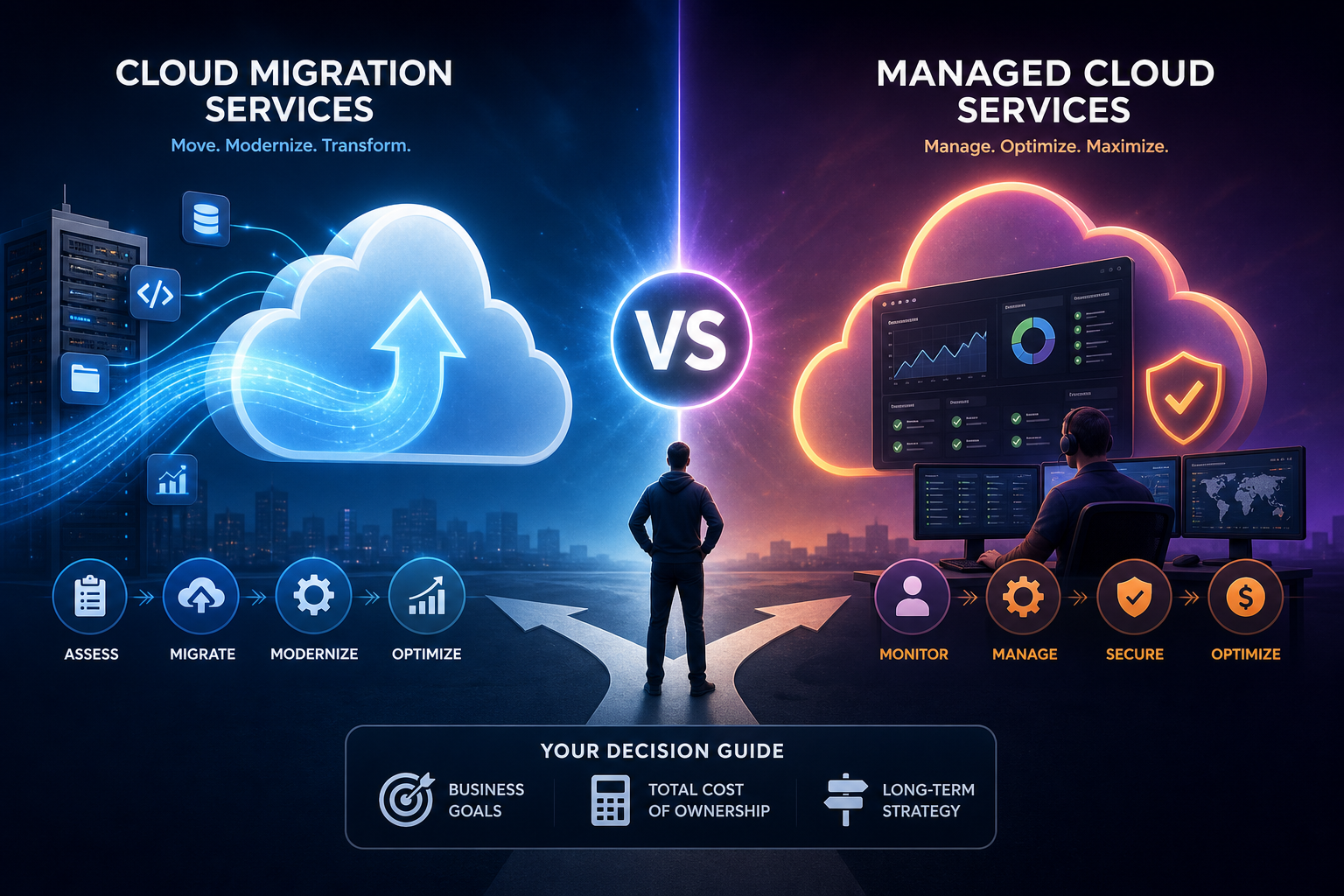
How to Write SLAs for Cloud Managed Services: 2026 Step-by-Step Guide
It often takes a real incident to expose the cracks in a cloud agreement: a crucial service goes offline, and suddenly everyone is digging through the contract, trying to find out what the managed service provider actually promised. Did they guarantee uptime? How long before they have to respond? Who controls the data, and what’s the process if things go sideways? Too many times, the answers are hard to find or never spelled out at all. If you’ve ever sat across from a stakeholder, explaining why a five-hour outage didn’t trigger any credits, you know just how important it is to have a practical, enforceable SLA—one that works in real situations, not just in the contract folder.
By 2026, cloud isn’t just a matter of spinning up a server or two. For most companies, managed services now run mission-critical workloads, handle compliance, and keep entire operations running. If an outage hits, whatever’s missing or vague in the SLA will show up fast—missed KPIs, confusion over who does what, or silence when you need fast answers.
The fallout from a weak SLA isn’t theory. If the goals and roles aren’t spelled out, you’ll end up in endless arguments over whether the provider “did enough,” or if an outage even qualifies for credits. Scope creep also sneaks in: new services get added, but the contract never updates to cover them. Over time, that kind of fuzziness eats away at trust.
Clients and regulators now expect clear details on security, compliance, reporting, and what happens if something goes wrong. A handshake isn’t enough. Modern managed services SLAs are working documents—they define how teams work together, spell out how performance is measured, and clarify what happens when things don’t go as planned.
Setting Availability Goals That Hold Up
Chasing 100% uptime might sound good, but even the best cloud setups need maintenance windows, patches, and have occasional hiccups outside anyone’s control. The standard for cloud managed SLAs in 2026 is 99.9% uptime or higher for core services. That level is realistic—it demands strong operations but leaves room for scheduled maintenance, force majeure events, and the rare user mistake.
Setting service tiers helps everyone stay on the same page. Some providers may offer availability targets above 99.9% for premium tiers, but the most important thing is to define exactly what “downtime” means, when maintenance happens, and which events count as exceptions. For example, scheduled maintenance windows and exclusions for force majeure or customer-caused outages should be clearly documented.
Promising 100% uptime just leads to disputes about a few minutes of scheduled downtime. Be specific about what doesn’t count—vague exclusions are a recipe for upset clients.
Let Data Set the KPIs and Targets
Every environment is different, so real-world data should guide your SLA targets. The best MSPs review 6–12 months of tickets and monitoring logs before proposing numbers. What’s the real average uptime? How quickly do teams respond to critical issues? If your history shows 99.92% uptime, with one tough month at 99.87%, setting 99.9% as standard and a higher target for premium clients is honest and achievable.
KPIs need to cover more than just availability. Set out not only average, but also 95th percentile response times by incident priority. This shows what’s actually possible, rather than advertising targets that never get hit. Instead of inventing numbers, use your real averages and performance data to decide what’s fair and realistic.
The process is straightforward: export service desk data, filter by incident type, and calculate the averages and outliers. This data is your negotiation anchor and your reality check.
Response and Resolution: Set the Right Expectations

The seriousness of an SLA shows up in how it handles incidents. In 2026, most providers base response and resolution times on the priority of the issue. A common structure used in managed cloud services SLAs includes priority-based response and resolution time commitments, with faster targets for critical incidents and longer targets for lower priority issues. These typical commitments cover response and resolution times adjusted based on baseline performance and customer requirements.
Make sure your definitions fit your client’s business. What’s “critical” for a healthcare provider may not be the same for a SaaS startup. Spell out what each priority means and how issues should be reported, so there’s no confusion when response times start ticking.
What Every Cloud Managed SLA Must Spell Out
A solid SLA is much more than just an uptime number and support hours. The best agreements in 2026 include these sections:
Service catalog: List every managed service included, with clear inclusions and exclusions.
Service hours and regions: Be specific about when and where services are available—don’t assume 24/7 unless stated.
Performance metrics: Show the uptime targets, response/resolution KPIs, and how they’re measured.
Incident management and escalation: Lay out the steps for reporting, triage, escalation, and who’s responsible at each stage.
Response and resolution commitments: Link these to the incident priorities above.
Customer obligations: Things like timely access approval, confirming changes, or managing dependencies.
Security and compliance: Reference standards like ISO/IEC 20000-1:2018, and detail audit rights and controls.
Data ownership and exit plans: Make it clear who owns the data, how it can be retrieved, and what happens when the contract ends.
Disaster recovery and backup: Commit to backup schedules, recovery points, and testing.
Reporting and audit: Set how often the provider reports on metrics and handles audits.
Remedies and credits: Define what happens if targets are missed—service credits, penalties, or other solutions.
Change management: Explain how the SLA gets updated as services or needs change.
A typical structure: start with a cover page, an overview naming stakeholders and goals, a clear scope (what’s covered, what’s not), the performance metrics, and responsibilities. The more specific you get, the fewer headaches later.
Keep SLAs Alive Through Regular Reviews and Real-World Scenarios
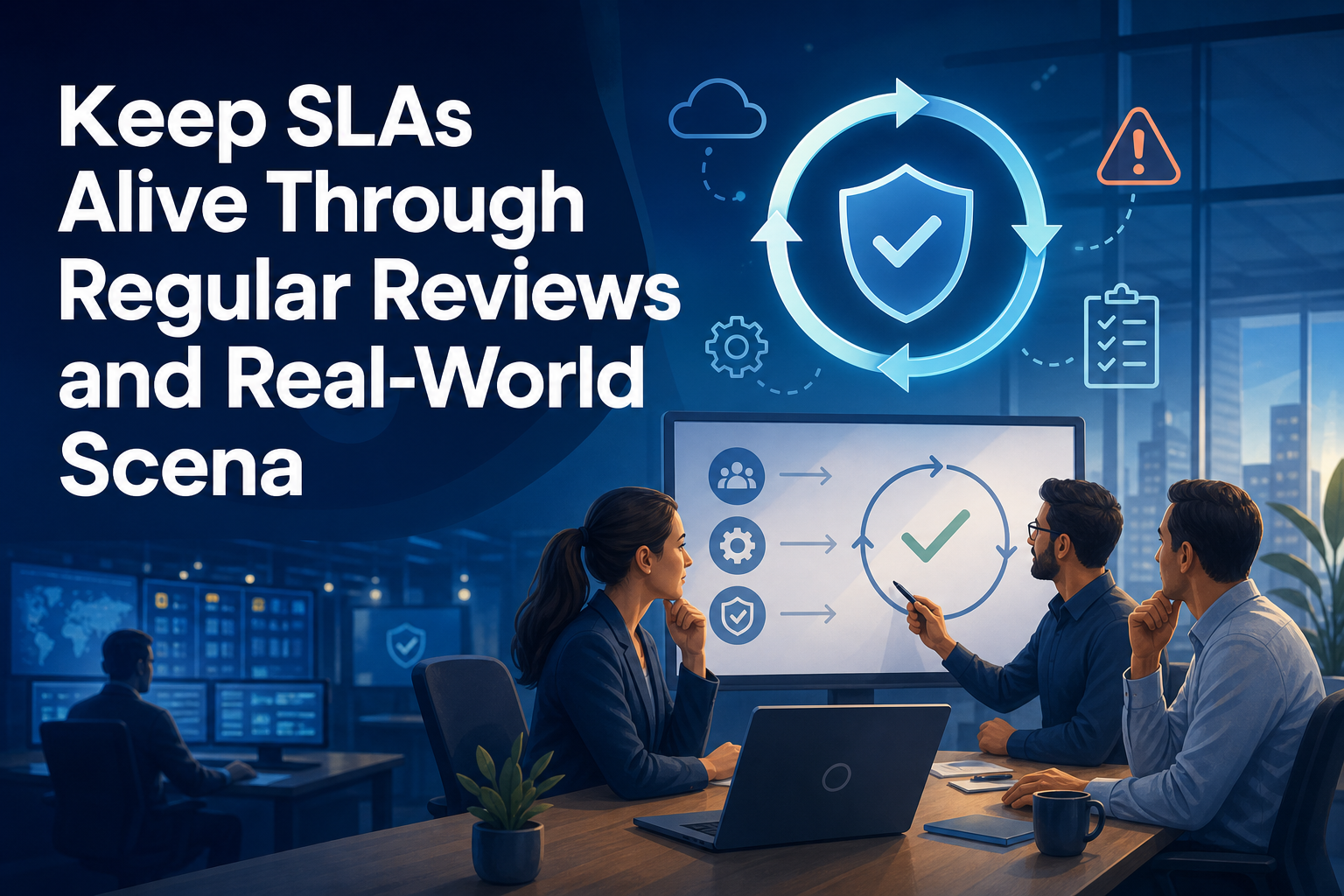
Businesses, technology, and risks all shift over time. An SLA that worked a year ago might be outdated after you add a new service, have a major incident, or face new regulations. That’s why the best managed services SLAs are updated at least once a year, or whenever the services or business priorities get a shakeup.
A practical review means both provider and customer sitting down together, looking at the latest data, and talking through what’s working and what isn’t. Did your provider hit the 99.9% uptime? Were incidents resolved in time? If not, is the problem with the targets, the process, or the resources?
Scenario testing is one of the best ways to spot gaps. Before signing or renewing, walk through real-world events: “If a regional cloud outage hits during business hours, how does escalation work? When should the client expect updates, and when do credits apply?” Or, “If there’s a security incident, who investigates, and how do clients get notified?” These exercises reveal holes that might only show up under pressure.
Making reviews and scenario testing a habit keeps your SLA relevant and ensures both sides are ready when something goes wrong.
How to Make Your SLA Work Day to Day
Signing the SLA is just the beginning. A strong cloud managed services SLA is only as effective as the daily practices and tools that back it up. The standard now is to use dashboards that track uptime, error rates, and response times, alerting teams automatically when something falls short. Many providers link these dashboards to escalation procedures, so a missed response time triggers both internal alerts and the process for credits or remedies.
But dashboards alone won’t keep the SLA effective. You need real involvement from everyone—providers and customers alike. Hold review meetings, share real-world data, and update the document as services change. Make sure everyone knows their role, from the first-line support rep to the executive reading monthly reports.
Writing an SLA isn’t just about legal coverage. It’s about setting clear expectations, being accountable, and building a partnership that can handle the inevitable bumps along the way. With a data-driven, practical approach, your next SLA can genuinely protect your business—and save everyone from the confusion and disputes that come with vague promises.

I’m Omar Khalil, and I’ve spent the past decade working within the MEA technology channel ecosystem, from distribution in Dubai to partner enablement across Africa. I write about practical strategies for vendors, distributors, and resellers navigating the unique challenges of selling technology solutions in the Middle East and Africa. My focus is on actionable intelligence drawn from real market experiences, not generic theory. When I’m not writing, I’m usually at a channel event somewhere between Riyadh and Read the full About the author page.