5 Questions to Ask an ERP Implementation Partner Before Signing
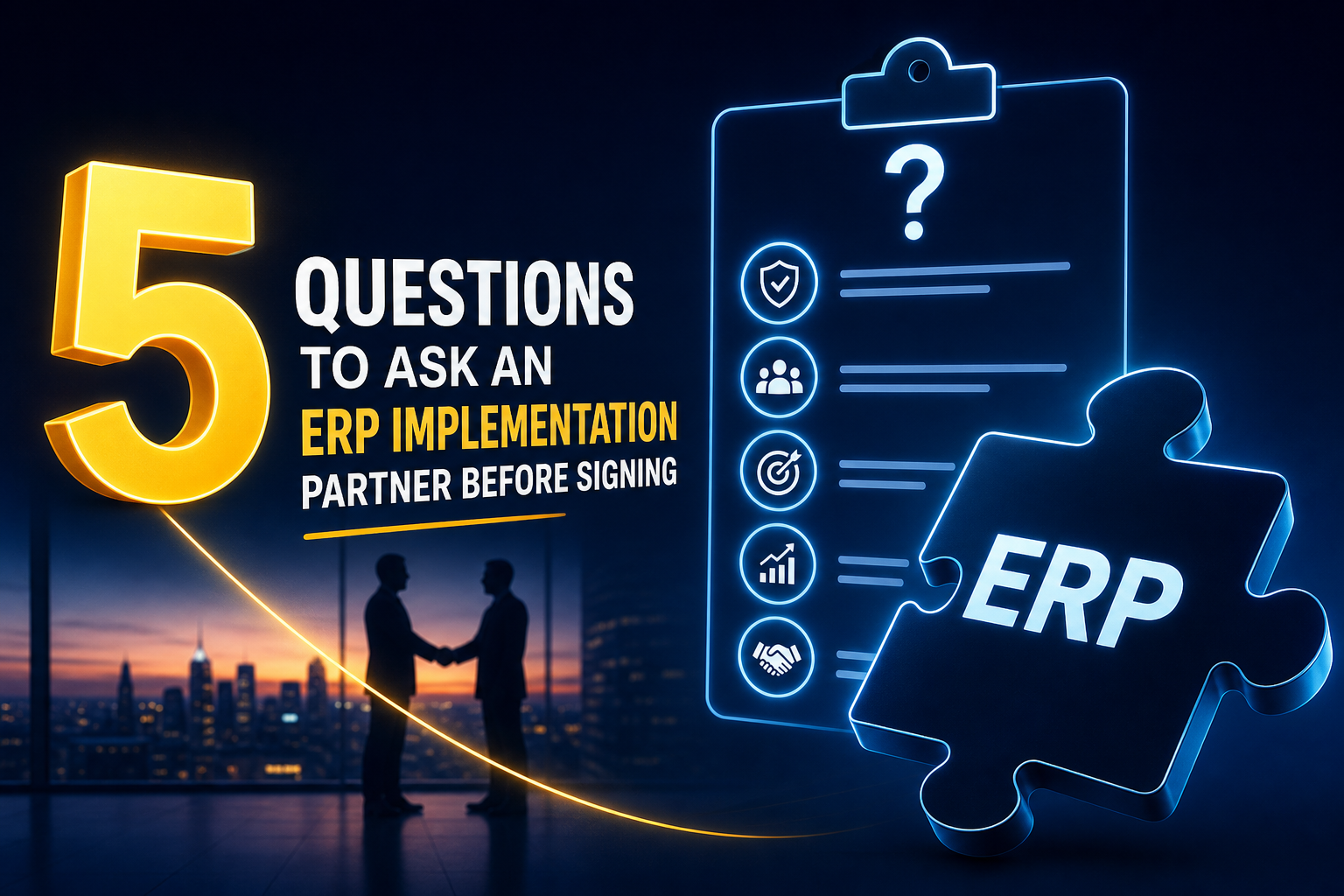
You can feel the tension in the meeting room as your team faces the ERP selection decision. Everyone knows someone with a horror story: the project that dragged on for years, the system that never worked right, the cost overrun that blew the budget. When it’s your turn to sign off on a new ERP implementation partner, you want to go beyond the polished sales pitch and get real answers—the kind that help you spot risks, hidden costs, and whether this partner will stand by you when the inevitable bumps hit. The right set of questions doesn’t just protect your project; it spares your organization months of frustration and rework.
Assessing Industry Experience and Real-World References
One of the most telling questions you can ask an ERP implementation partner is how many projects they’ve delivered in your specific industry, especially for companies close to your size and complexity. It’s easy for a partner to claim “broad experience,” but what really matters is how well they know your business reality—your compliance quirks, supply chain headaches, or distribution model.
Press for at least three customer references from projects similar in scale, and go a step further: request a reference from a client whose project hit snags. A partner who only provides success stories might be hiding their rough patches, but the team that can describe what went wrong, how they adapted, and what they learned is more likely to be transparent if things get tough for you, too.
For example, you might ask, “Can you share a reference from a project that faced significant challenges and walk us through how you managed the setbacks?” When a partner gives a thoughtful, specific answer—naming the issues, solutions, and outcome—you get a true sense of their problem-solving skills and willingness to own up to mistakes. This approach helps you avoid the trap of working with a team that looks good on paper but folds when real-world pressure hits.
Understanding Their Implementation Approach
Every ERP project comes with unexpected twists: shifting requirements, legacy data nightmares, and the scramble to get users up to speed before go-live. That’s why you need to dig into your partner’s methodology—not just the high-level buzzwords, but the nuts and bolts.
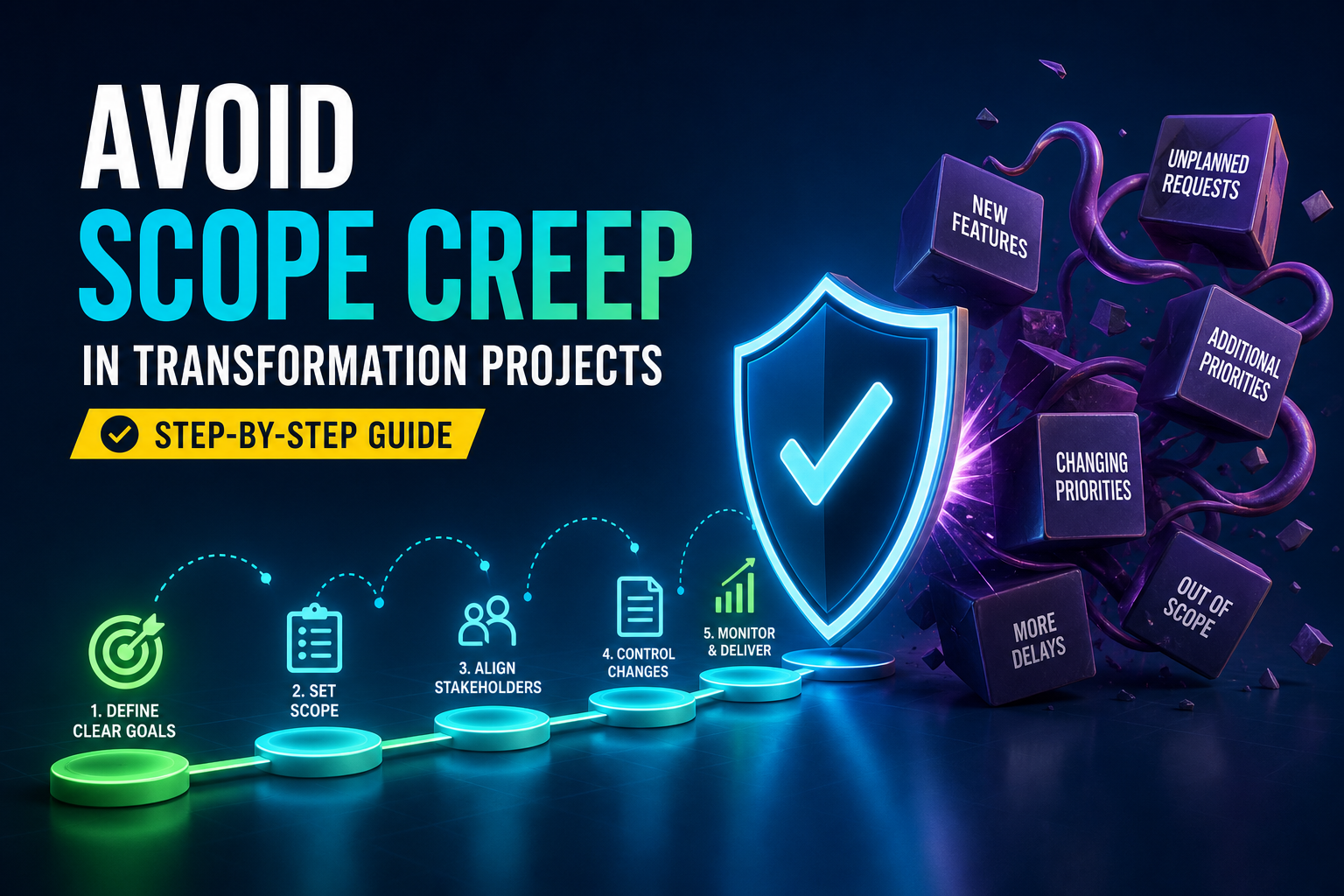
Ask them to walk you through their process for managing scope changes. Is there a formal protocol for reviewing, approving, and documenting scope adjustments, or is it handled informally? The answer tells you how disciplined their project management really is.
Data migration is another make-or-break moment. Find out how they handle extracting, cleansing, validating, and loading your data into the new system. Are you expected to do the heavy lifting, or do they provide tools and expertise? Also, ask how they structure testing and user acceptance testing (UAT). A partner who can explain their approach to business readiness and show you a sample test plan is more likely to deliver a smooth cutover.
Don’t forget to bring up customizations and integrations. How do they balance tailoring the system to your needs with keeping it upgradeable and free of technical debt? Partners who default to heavy customization can leave you with a solution that’s hard (and expensive) to update later. It’s a red flag if they can’t explain how they minimize long-term maintenance headaches.
Who’s Really on Your Implementation Team?

It’s common to meet a senior consultant or project lead during the sales process, only to find out later that the actual work is handled by a revolving door of junior staff or contractors. To avoid this classic bait-and-switch, ask for a detailed breakdown of who will be assigned to your project, their roles, and their ERP certifications.
Request bios or resumes for key team members, and clarify whether senior consultants involved in the sales cycle will stay engaged through delivery. Why does this matter? Continuity builds trust and keeps knowledge from slipping through the cracks as the project moves from planning to execution.
You might also want to know what happens if key team members leave or become unavailable. Does the partner have a bench of equally qualified people ready to step in, or will you be left scrambling? A transparent answer here can spare you last-minute staffing surprises and keep your project on track.
Clarifying Support After Go-Live
The project doesn’t end at launch—sometimes, that’s when the real work begins. One of the most overlooked ERP partner selection questions is what support looks like after go-live. Probe for details: Is there a dedicated help desk? What are the service level agreements for resolving issues? Can you get on-site support if a critical problem arises?
Find out what training they offer to your end users, both ahead of launch and after the system is live. Some partners treat training as an afterthought, but a strong team will have structured programs, clear documentation, and trainers who know your business context.
Dig into their approach to ongoing support as well. Do they provide regular check-ins, health assessments, or optimization workshops? Are minor enhancements and bug fixes included in your support plan, or do those come with extra fees? Getting these details upfront prevents those costly “surprise” invoices down the line.
If your organization is highly dependent on uptime, ask about the partner’s on-call procedures and escalation paths for emergencies. A partner who can describe real scenarios where they supported clients through a crisis gives you confidence that they’ll show up when you need them most.
Setting Realistic Timelines and Expectations

ERP projects are notorious for going over schedule, but you can reduce risk by pressing your partner for honest, detailed answers about project duration. Skip vague estimates; instead, ask for a timeline broken down by project phase, with examples of similar projects they’ve delivered. What factors caused delays or sped things up in those cases?
Ask what difficulties you should expect based on your industry, data quality, and internal resource availability. Partners who can’t articulate likely risks may not have enough real-world experience. Look for specifics: Will data migration add weeks? Do you need extra time for custom integrations? Will your team need to pause for annual audits or peak business cycles?
It’s also wise to ask what guarantees the partner can make about hitting agreed deadlines and budgets, and how those commitments are reflected in the contract. Some partners offer performance clauses; others are more cautious. Either way, you want clarity on what happens if things slip.
Finally, address the total cost of ownership. Ask for a five-year projection of all costs: software licenses, support, upgrades, customizations, and maintenance. Get examples from past projects if possible, and see how their estimates held up over time. This is where hidden costs often lurk, and a partner who’s upfront about them will save you budget shocks later.
What to Do Before Signing the Contract
Before you sign on the dotted line, take a breath and review everything you’ve learned. Revisit the references—especially the one from a challenging project—and ask any lingering questions about how setbacks were handled. If you still have doubts, schedule a call with that reference and listen for candor in their story.
Double-check the composition of your implementation team and confirm that key people will stay involved throughout the project. Review the proposed methodology and make sure it covers data migration, UAT, and change management in detail.
Ask for a written summary of your post go-live support plan: who to contact, what’s included, and the escalation process for emergencies. Request a breakdown of the five-year total cost of ownership, and get clarity on assumptions—don’t let vague language hide future expenses.
Lastly, make sure all guarantees about timeline, budget, and deliverables are spelled out in the contract. Even the best partners can face unexpected hurdles, but clear agreements up front help both sides manage surprises. Taking these steps won’t just help you hire a partner; it will help you build a relationship that lasts long after the project “goes live.”

I’m Omar Khalil, and I’ve spent the past decade working within the MEA technology channel ecosystem, from distribution in Dubai to partner enablement across Africa. I write about practical strategies for vendors, distributors, and resellers navigating the unique challenges of selling technology solutions in the Middle East and Africa. My focus is on actionable intelligence drawn from real market experiences, not generic theory. When I’m not writing, I’m usually at a channel event somewhere between Riyadh and Read the full About the author page.